Bank Holiday pet warning as August claims rise 44% and vet bills hit almost £9,000
29 August 2026
- Analysis from Co-op Insurance reveals that pet insurance claims increased by 44% during August 2025 compared to the previous year. *
- The member-owned business has also seen claims reach almost £9,000 during August 2025. **
- Moreover, injuries linked to grass seeds are a greater risk during warmer weather than during the colder winter months.
- Despite the risks, a third (33%) of pet owners avoid taking their pet to the vet.
- Co-op Insurance’s veterinary partner, FirstVet has also advised on how owners can keep their pets safe during warm weather.
New analysis from Co-op Insurance shows pet insurance claims rose by 44% during August 2025 compared to the previous year, with one owner facing a vet bill of almost £9,000 after their pet swallowed a foreign object.
Ahead of the Bank Holiday weekend, the member-owned business is warning pet owners about seasonal hazards including grass seeds, blue-green algae and BBQ leftovers, which can lead to serious injury and costly veterinary treatment.
However, despite the risks, a third (33%) of pet owners avoid taking their pet to the vet, with almost one in six (15%) stating that it’s too much hassle for their pet. *
During Bank Holiday gatherings with friends and family, pets may be tempted by dropped food or leftovers, meaning there is a heightened risk of the ingestion of items such as a corn on the cob and wooden skewers, which can lead to medical treatment.
Indeed, the highest claim seen by Co-op Insurance that was paid out on foreign body ingestion was worth almost £9,000, last August after an object became stuck in the jejunum section of the small intestine. ****
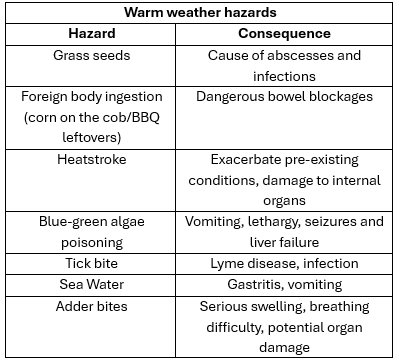
Grass seed injuries can also be a serious issue. Picked up by dogs during walks, the seeds become lodged in the ears, eyes, nose or paws. This can lead to painful abscesses, infections and irritation requiring veterinary treatment. Indeed, the highest claim seen by Co-op Insurance related to grass seeds last August was over £2,000. **
Similarly, poisoning poses a significant risk to pets, particularly when exploring the local environment on walks at this time of year. The ingestion of blue-green algae, for example, can lead to serious illness, whilst adder bites, although rarely fatal, can lead to long-term organ damage.
However, despite the risks, a third (33%) of pet owners avoid taking their pet to the vet, with almost one in six (15%) stating that it’s too much hassle for their pet. *
Yet, if injuries or illnesses caused by hazards such as grass seeds, foreign bodies and heat are left untreated, they can quickly become very serious. As such, Co-op Insurance is encouraging pet owners to ensure that they seek veterinary treatment if their furry friend shows any signs of illness or injury.
For those who may be concerned about hazards ahead of the Bank Holiday, FirstVet, a 24/7 independent digital veterinary clinic partnering with Co-op Insurance is also advising pet owners what to look out for and how they can keep their furry friend safe.
Dr Janet Bain, Veterinarian at FirstVet, provides the following guidance to pet owners:
Grass seeds Dr Janet Bain advised: “These can get lodged up noses, in ears, eyes and paws (but anywhere goes!). Check your pet carefully after each walk and consider keeping the fur on their feet clipped short to make this easier to monitor.
“If you notice sudden head shaking, ear scratching, a head tilt, a painful watery eye, or persistent sneezing after a walk, we advise seeing your vet as soon as possible. Early removal can make a big difference.”
Ticks Dr Janet Bain advised: “Especially during warmer weather, a vet-prescribed flea and tick prevention is advised. Check your pet regularly, and keep a tick remover at home, just in case you spot one. Avoid tweezers as this increases the likelihood of part of the tick breaking off inside your pet.”
Allergies Dr Janet Bain said: “These are extra common at this time of year. Monitor for itchy skin, itchy ears, or licking and chewing of the feet. Rinsing their paws and coat after walks can help reduce symptoms following pollen exposure, but if the itchiness persists despite this, we advise a vet assessment.”
For illnesses and injuries leading to vet bills that would cost thousands, those opting not to cover their pet or those who have not renewed their policy, could face a significant financial impact.
Andrew Nevitt, Head of Pet at Co-op Insurance said:
"Pets can bring so much joy to our lives, offering unconditional love and companionship, but there is no doubt that bringing a pet into your home can be a challenge.
“Our furry friends are also able to enjoy the warmer weather by exploring different environments, whether it’s dogs on a walk with their owner or cats roaming the local gardens.
“But with this brings risks and it’s important that pet owners remain vigilant to hidden hazards that are more prominent during the warmer weather, including grass seeds and tick bites.
“It’s also crucial to seek medical treatment if they feel that their pet is showing signs of distress. While injuries or illnesses can be unavoidable, having pet cover in place will give you the peace of mind that you’ll be covered if you face an unexpected visit to the vets.”
Members with Co-op Pet Insurance get 10% off pet products in our food stores, including pet food, treats and accessories. **
-ENDS-
Notes to the editor
Claims data from Insurance Factory Limited (Co-op Insurance’s Pet Partner).
- August 2024: 1,696 claims v August 2025: 2,438 claims (claims volume)
** £2,113.72
*** Average claim for heat-related illness = £298.51
**** £8970.08
* Based on survey of 1205 pet owners commissioned by Co-op Insurance and conducted by Opinion Matters.
** Pet in-store member offer 10% discount
- • Grass seeds: If your pet has irritation in the eyes, ears or nose, look carefully for any grass seeds, pollen or dust. If you think your pet has a grass seed in their eye or ear always consult a vet.
- Heatstroke: If a dog shows symptoms of heatstroke it is important to act quickly:
- Move the dog to a cool, quiet area
- Actively cool the dog using cold water, such as a bucket and sponge or shower
- Do not submerge the dog’s head in water as this can cause aspiration pneumonia
- If despite the above measures the condition of your dog does not improve within a few minutes seek veterinary help
- Never give anti-inflammatory medication to a dog with heatstroke as this can cause serious harm
- Cold wet towels can be placed on the stomach, armpits and pads. Refresh them frequently otherwise, they can trap the heat and exacerbate the problem Ticks: If you find a tick on your pet, prompt removal is key. It’s also important to use a regular tick preventative treatment.
- Algae poisoning: If your dog swims in a pond or lake, always make sure to wash them thoroughly with mild detergent in lukewarm water and do not let them lick their coat.
- If they drink blue-green algae water, take them to the nearest vet straight away.
- Foreign body ingestion (BBQ); It is important to dispose of waste and leftovers carefully so that your dog can’t eat potentially dangerous items. Use a strong, sealable bag for waste, and dispose of it in a bin or keep it in a safe place where dogs cannot reach it.
- Seawater: Mild cases may cause no signs or only a single episode of vomiting. In these instances, offer small amounts of fresh water little and often. Do not allow your dog to drink large volumes in one go, as this may trigger further vomiting.
- Next, offer a highly digestible meal little and often, such as a veterinary gastrointestinal diet, or cooked rice or pasta with a little cooked chicken/turkey/rice/white fish/egg.
- In more severe cases, seek veterinary advice immediately
- Adder bites: If you suspect that your pet has been bitten, keep them as still as possible to slow the spread of venom and take them to the nearest veterinary practice immediately. Treatment will often require hospitalisation for intravenous fluids with pain relief and close observation.
- Anecdotally, cats may cope with snake bites better than dogs. However, we would not recommend testing this theory. In all cases, a snake bite can lead to serious consequences, so it is important that you know how to seek help if you suspect or see that your cat has been bitten by a snake.
For more information please contact: pressoffice@coop.co.uk
About Co-op
Co-op Group is one of the world’s largest consumer co-operatives, operating across food retail, funerals, insurance and legal services. Owned by around 7.2 million active member-owners, Co-op exists to meet their needs and champion the causes they care about.
With more than 2,300 food stores, 800 funeral homes and a wholesale business supplying around 8,000 additional outlets, Co-op employs 53,000 colleagues and generates annual revenues of over £11 billion. It is a recognised leader in ethical business and community-led programmes, creating long-term value for members and communities across the UK.